.png)


.png)
.png)
.png)
.png)
.png)
.png)
.png) AS1428.1 Accessible
AS1428.1 Accessible.png) AS1428.1 Ambulant
AS1428.1 Ambulant.png) Independent Living
Independent Living.png) Touchless Bathrooms
Touchless Bathrooms.png) Pre-fabrication Frames
Pre-fabrication Frames.svg) Smart Command by Caroma
Smart Command by Caroma




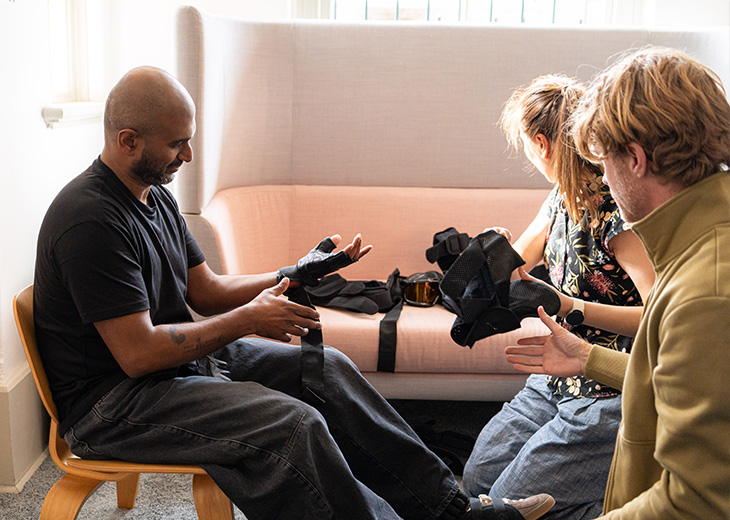
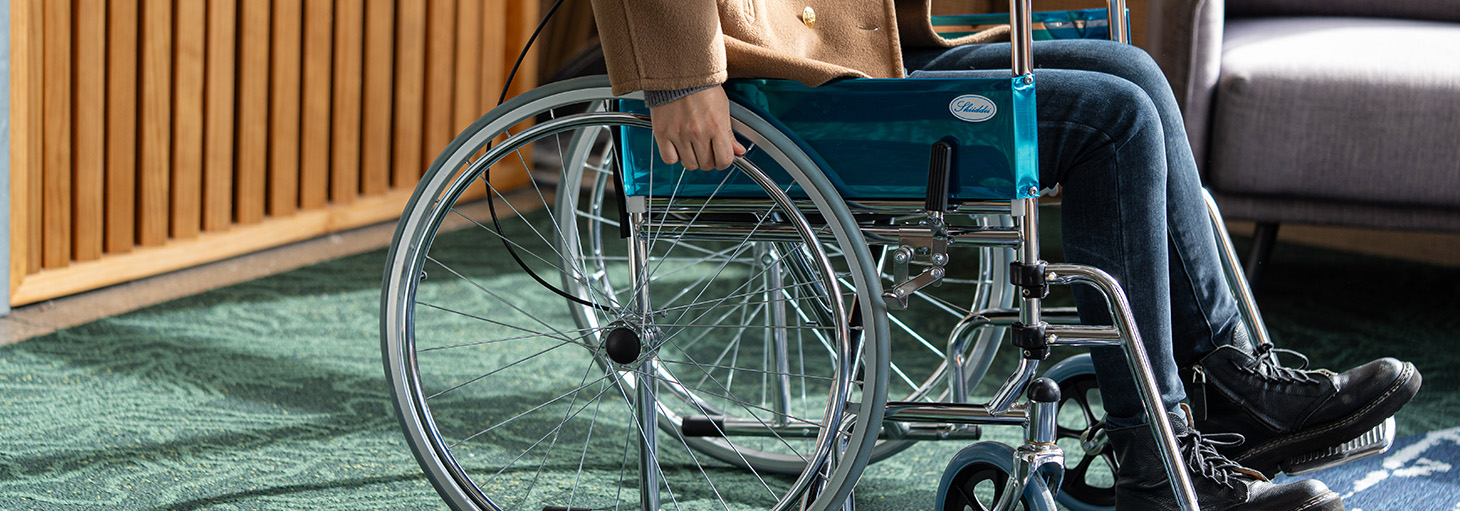
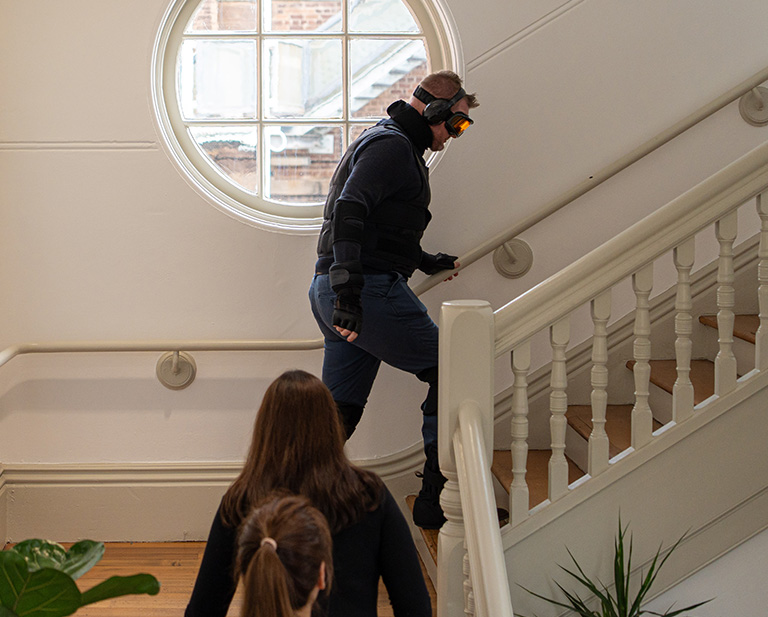
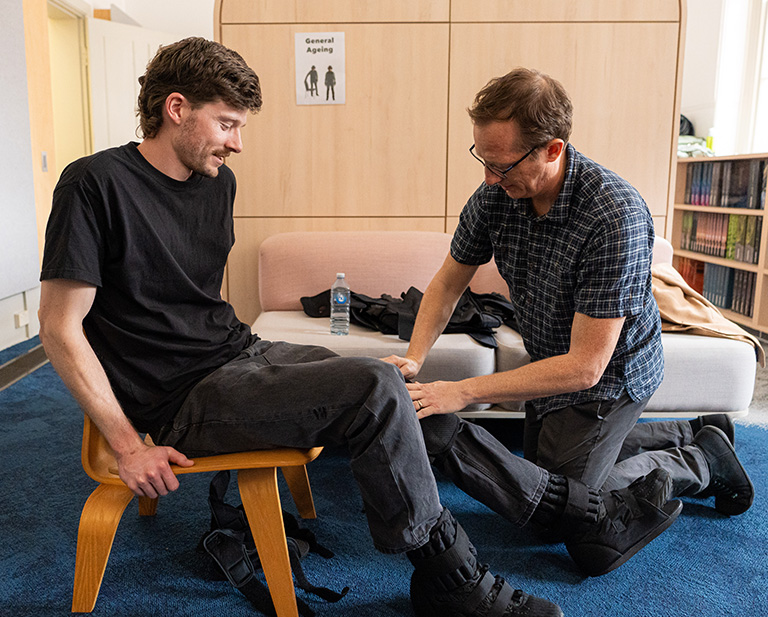
The Age Suit consistently surprises even experienced designers. Attendees describe how tasks they normally do without thinking suddenly require intense concentration. Multitasking falters, fine motor actions slow down, simple movements feel effortful, which forces attendees to reflect on stability and balance. With restricted joints and weighted limbs, they feel less secure underfoot and are forced to think deliberately about every step.
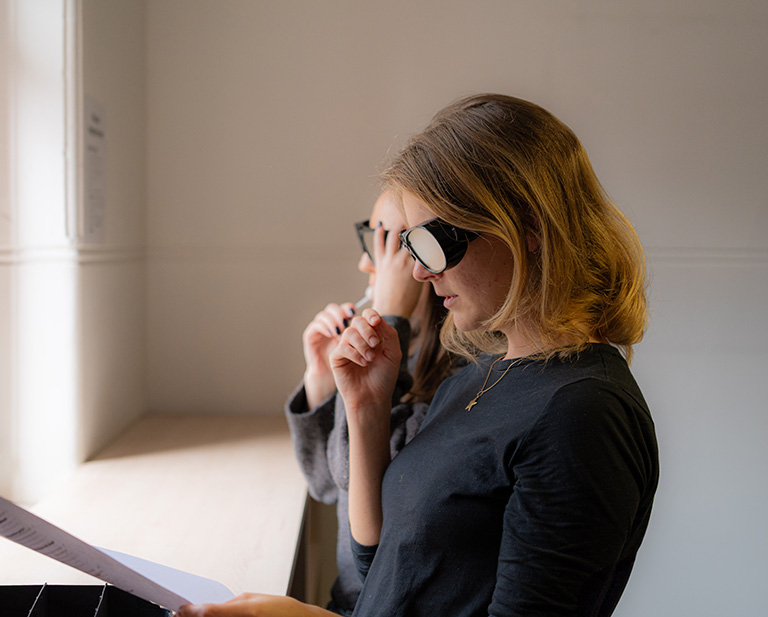
Low‑vision simulations are equally eye‑opening. Some participants were surprised about the heavy reliance on vision (notably taken for granted) but once vision is compromised, ordinary interfaces and alignments suddenly become overwhelming and confusing.
"Wearing the Age Suit was surprising … in just how much effort it takes to do simple tasks that we perform everyday. You can’t multitask like you normally would"
Katherine Simos, Architect at WMK Architecture
These first‑hand sensations matter because they turn abstract guidelines into embodied knowledge. Architects can feel the difference a threshold makes, understand the cognitive load imposed by cluttered sightlines, and appreciate the relief of intuitive wayfinding signals and layouts. This embodied empathy is the bridge between typical standards and truly human‑centered design.
A consistent theme from architects after the workshop is the value of removing trip risks and simplifying movement paths. One participant resolved to avoid steps altogether where possible and to prioritise flat, even surfaces with clear circulation. They also emphasised keeping corridors and zones uncluttered, so users are not forced to re‑calculate every movement.
Those insights translate into several planning principles for bathroom projects in homes, retirement living and residential care:
Prioritising step‑free transitions: Using flush shower entries and gentle falls to drains to eliminate lips that de-stabilise gait.
Designing obvious, unobstructed flow: Maintaining generous circulation and avoiding pinch points around the basin, shower and toilet.
Reducing cognitive load: Straightforward sightlines to primary fixtures, minimal visual clutter, and consistent control positions help when attention and vision are compromised.
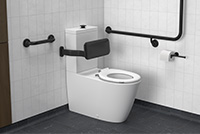
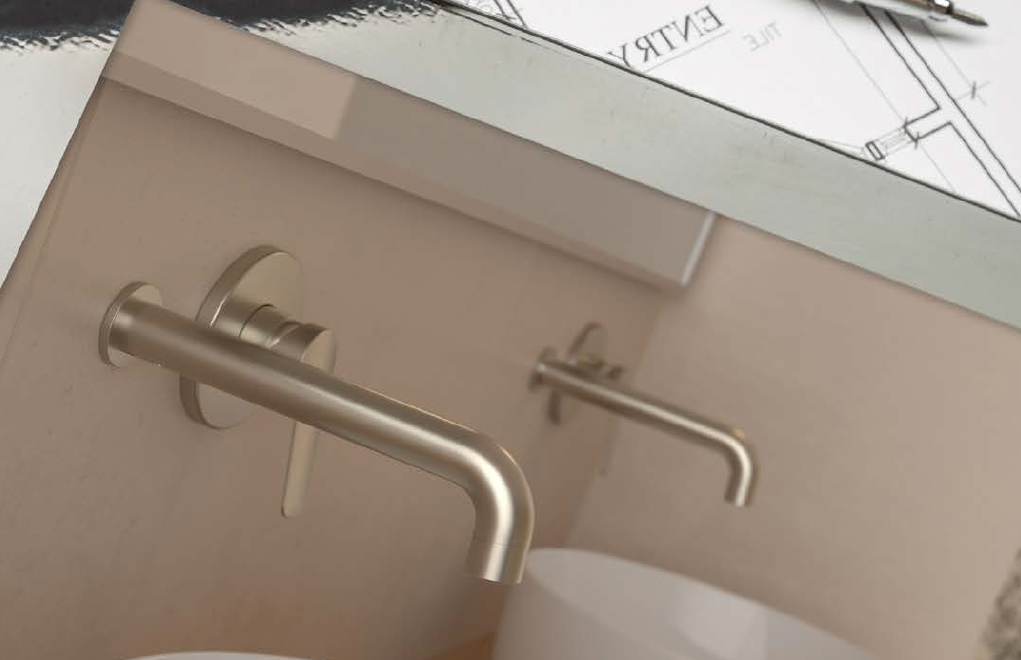
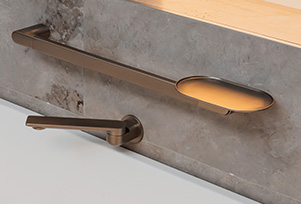
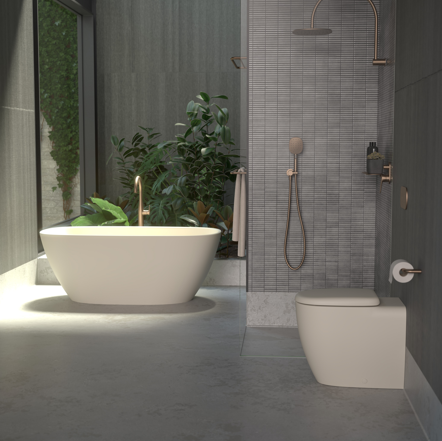
If there’s a single message architects and designers take away after experiencing the Caroma LiveWell Age Lab, it is that older people want bathrooms to look like any regular, aesthetically pleasing bathroom and not a clinical space. Caroma’s product development responds to exactly that brief. Designers in the Age Lab consistently single out the Caroma Urbane Universal accessories because they read as elegant architectural bathroom fixtures while providing genuine support.
Discreet fixings, cohesive forms, and multi‑use elements are central to this shift. For example, rails that double as towel holders or toilet roll holders maintain a domestic look while offering load‑rated support right where it is needed. Attendees value that balance of performance and normalcy. The point is not to hide support, but to integrate it so well that it becomes part of the design language.
"The Caroma Urbane Universal Accessories are an amazing design that allows designers and architects to take a modern design and put it into any type of project."
Erin Martin, Senior Product Designer at Turner Studio
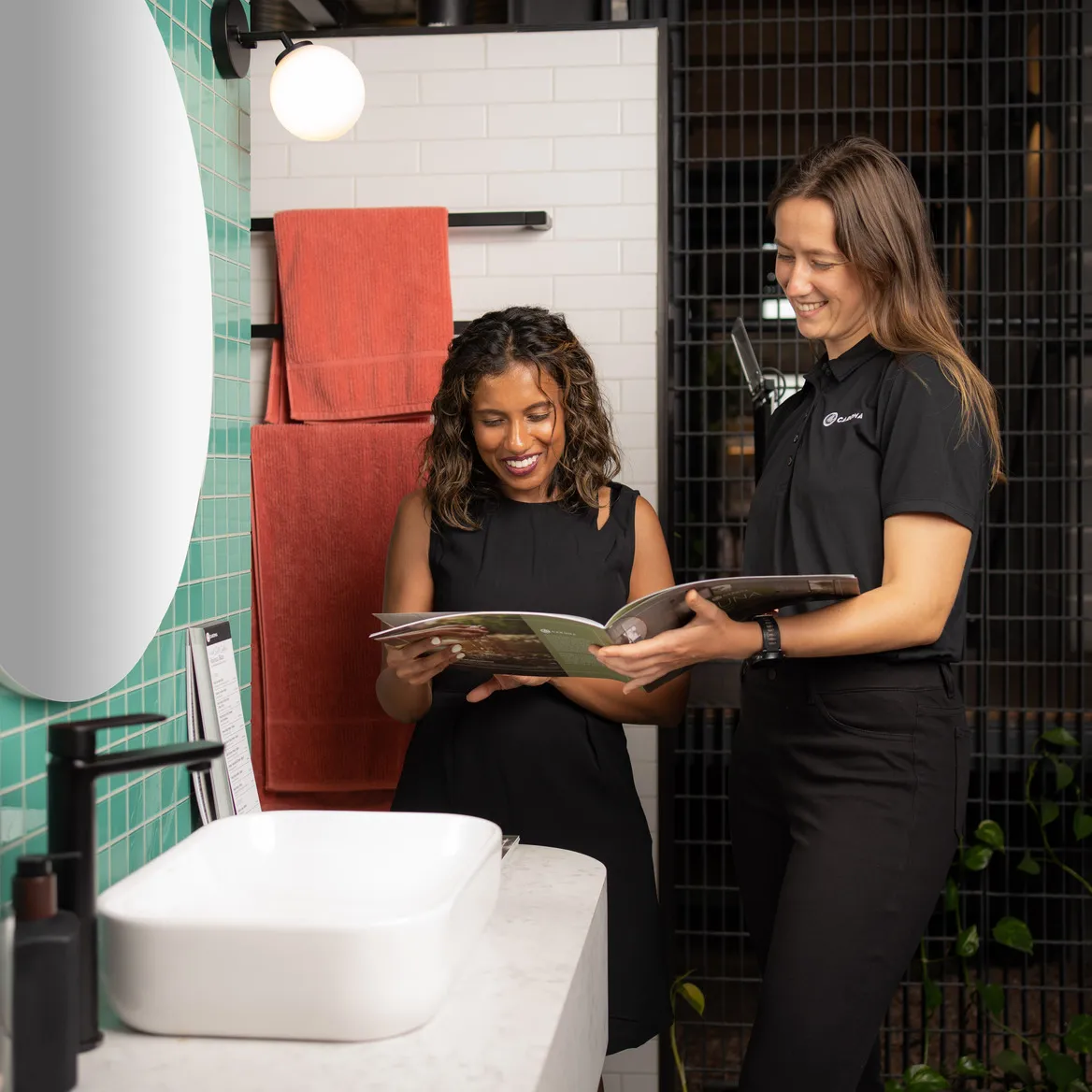
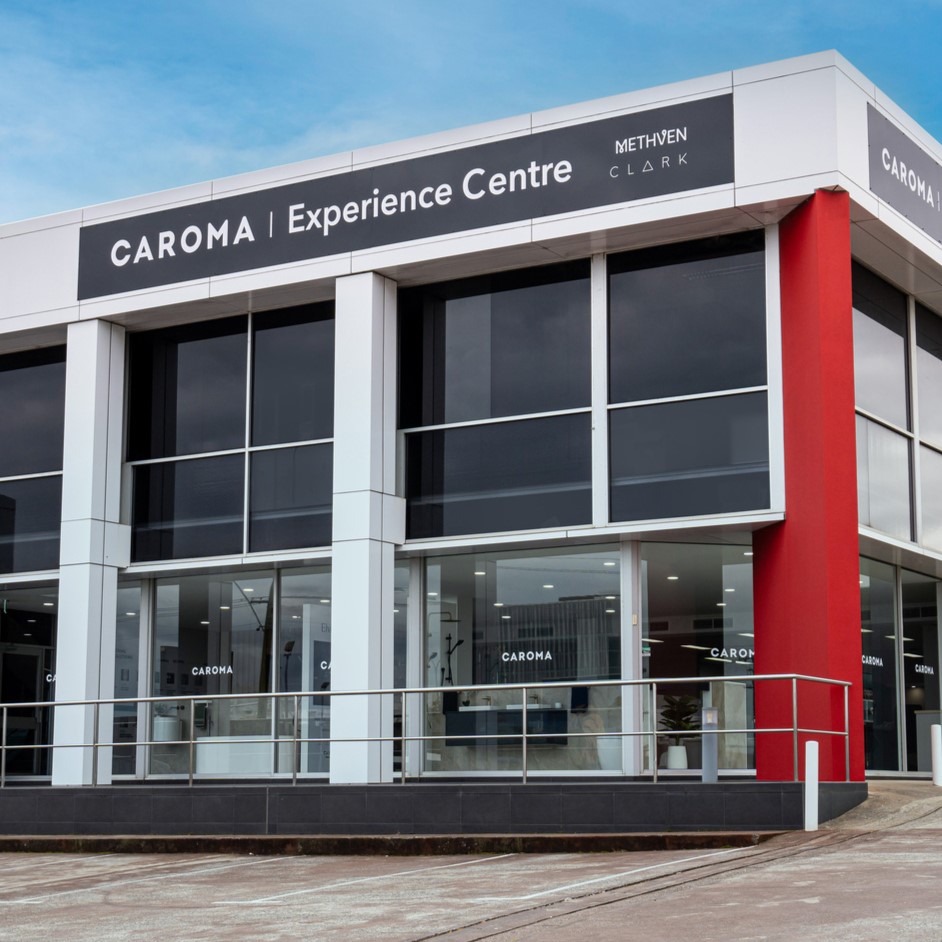
Beyond form, architects also value clarity and availability. Specifiers need confidence that compliant, durable solutions will be in stock, supported by robust technical information. Caroma’s breadth and market presence make it well known and easily accessible, with showrooms where clients can see and touch products.
"Caroma has solutions that are well known and easily accessible. We as specifiers and architects have information we can tap into and make sure the best product is specified for the project"
Brian Fong, Associated Director at Turner Studio
This combination of aesthetic choice and technical rigour means bathrooms for older Australians can feel familiar and beautiful while remaining safer and easier to use. It is not about a special category of design; it is about universal design done well.
"What I like about the Caroma Urbane Universal Accessories, is that they are more architecturally designed and less like a standard hospital bathroom, so you can create something that is functional and beautiful."
Katherine Simos, Architect at WMK Architecture
Architects leave the Caroma LiveWell Aged Care Lab with more than a product short‑list. They leave with recalibrated instincts. After navigating the Age Suit and impairment simulations, they notice the micro‑barriers that creep into otherwise beautiful bathrooms and they are better equipped to design them out.
That shift in viewpoint creates measurable value. For residential clients, it means bathrooms that allow people to remain in their homes longer. For aged‑care providers, it means environments that feel less institutional and more homelike. For developers and operators, it strengthens brand and marketability.
And for the profession, it nudges design culture forward.
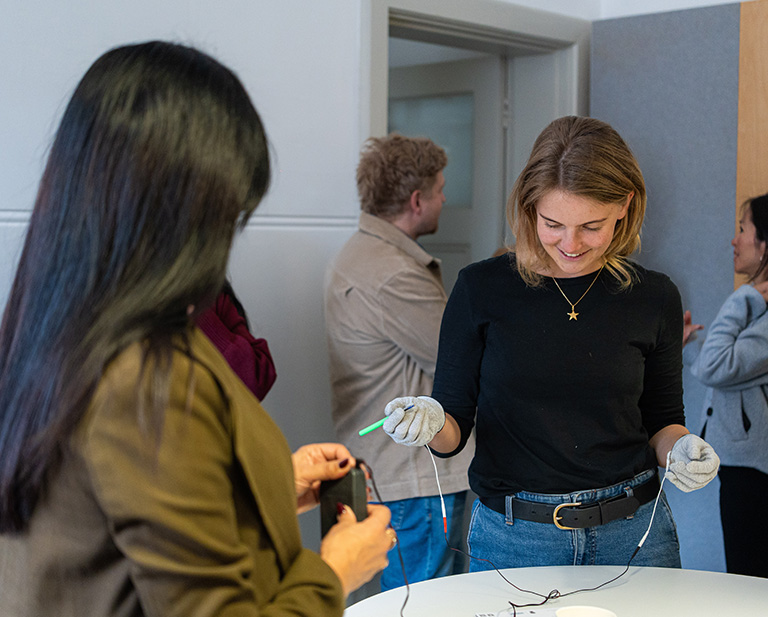
The Caroma LiveWell AgeLab is purpose‑built to turn empathy into specification. In a single session, your team will explore the lived realities of ageing, test products that reconcile performance and aesthetics, and leave with practical bathroom design strategies you can apply on your very next brief.
If your goal is to design bathrooms that look and function well, while serving the needs for people of all ages and abilities, Caroma LiveWell Age Lab is the fastest way to align your practice around what truly matters: dignity, safety and delight.
If you are a practicing architect and are looking to experience the Caroma Age Lab, click here to fill out your expression of interest.
The Caroma LiveWell Age Lab is one part of a wider commitment to human centred design that informs our research, our product roadmaps and the guidance we provide to the industry. Caroma LiveWell is an ethos that starts with people and ends with spaces that enable independence, dignity and delight. The Age Lab experience gives architects and designers a direct, embodied understanding of ageing; the LiveWell program ensures those insights carry through to product choice, detailing and delivery on projects across Australia.
Caroma LiveWell’s aged care, ambulant and accessible products are designed as a cohesive system, so you can maintain a singular design language from concept through to construction. Co-ordinated geometries, finishes and colourways allow basins, tapware, showers, toilets, grab rails and accessories to read as one calm, resolved palette. Integrated support elements, such as Caroma Urbane Universal accessories, deliver genuine load rated assistance while presenting as familiar domestic hardware. The result is considered bathrooms that look like home and quietly work harder for the people who use them.
For design teams and operators, that cohesion removes friction at every stage. It streamlines specification, reduces on site substitution risk and helps maintain visual consistency across multi-unit developments and refurbishments. It also supports clearer client conversations, because performance, compliance intent and aesthetic ambition no longer pull in different directions. With Caroma LiveWell product collections, you do not have to choose between beautiful and practical. You can have both in the same detail.
Most importantly, Caroma LiveWell is for all Australians. Whether you are designing for ageing in place, intergenerational living, retirement communities or residential aged care, the same principles apply. Spaces that are intuitive to move through, comfortable to use and effortless to maintain will serve people across life stages and abilities. The Age Lab accelerates empathy. The Caroma LiveWell portfolio turns that empathy into durable, everyday outcomes.